A Beginner’s Guide to French Rosé: Bringing a Taste of Provence Home
In Provence, rosé is not reserved for celebrations or special occasions. It is woven quietly into everyday life — poured beside long lunches under olive trees, served at candlelit garden dinners, and enjoyed slowly as warm evening light settles across the countryside. If you’ve ever wanted to understand French rosé — or simply recreate a bit of that effortless South of France atmosphere at home — this guide is for you.
FOOD
5/13/20266 min read


Bonjour! Just a note that this post may contain affiliate links. That means I may earn a small commission if you choose to make a purchase — at no extra cost to you. I only share items I use, love, or would recommend to a dear friend. Merci for supporting this little corner of the internet!
Rosé, Springtime in a Glass
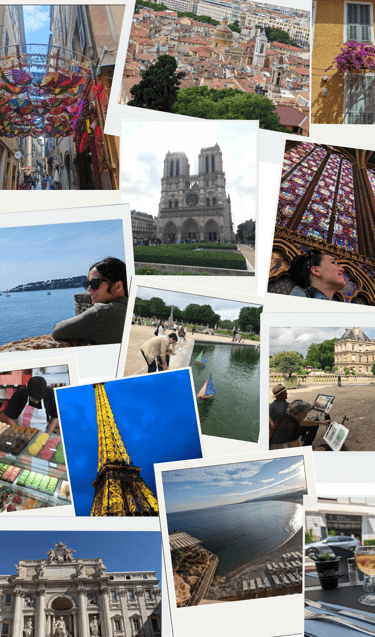
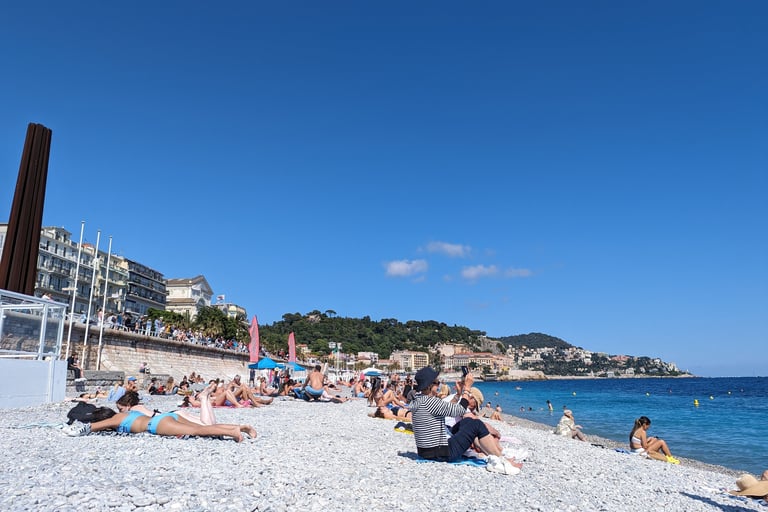
There are few wines that I love quite as much as I love rosé. This wine screams warm days, casual get togethers, and pure joy of embracing the season. I've been fortunate enough to drink rosé in Nice on the beach (which trust me does make the wine taste even better) and I'm so incredibly grateful for that experience. The French love to take their time with meals and it was beautiful to watch all the groups of people truly connecting and enjoying themselves together, especially in this time where I feel everyone (myself definitely included) feels disconnected. It really places the emphasis on holding onto the little rituals in life, great meals, fantastic wines, connecting with others, that's what makes a life worth living.
But beyond all of that, rosé truly is a great part of French culture. And unfortunately, I think for a minute it got a bad rap here in the US. I think about ten years ago it was thought of as a "girly wine" or a "sweet wine" when it's definitely neither of those things. This is a fantastic wine to drink on a warm day, pairs well with almost any kind of summer or spring cuisine and has a beautiful long history in France. So if you still think this is a "cheap wine" I hope by the end of this I can change your mind (and if you're already a big rosé fan, you're among friends here).
Why Provence Is Famous for Rosé
Provence is considered the birthplace of rosé wine, with a winemaking history stretching back more than 2,600 years.
Today, the region produces some of the world’s most beloved rosés, known for their pale blush color, fresh acidity, and subtle flavors of citrus, melon, herbs, and stone fruit.
What makes Provençal rosé so distinctive is the climate itself:
abundant Mediterranean sunshine
coastal breezes
mineral-rich soil
fields scented with lavender, thyme, and rosemary
Many wine lovers say you can almost taste the landscape in the glass. And this is one of the great ways I really think you can incorporate the Provençal lifestyle into your daily life. Incorporating great food and wine from the region is how we can take some of that slow intentional living right here to our own backyards. You don't have to be in Nice (I mean it definitely does help) to enjoy the great flavors and values of Provence.
What French Rosé Actually Tastes Like
If you are new to French rosé, the first surprise is often how dry and refined it is.
Rather than sugary berry flavors, most rosés from Provence offer:
strawberry
white peach
grapefruit
melon
citrus zest
herbs
minerality
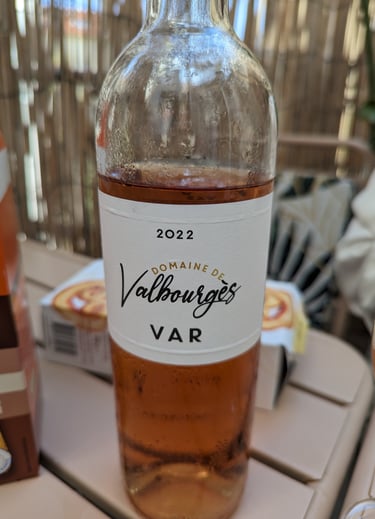
The texture is usually light and refreshing, making it ideal for spring and summer entertaining. La Vieille Ferme is one of my favorite inexpensive French rosés. My husband isn't a huge fan of rosé, but he'll happily sip this one with me. And it's at a very affordable price point and available at major groceries stores, so no special trips needed.
A Helpful Beginner Tip
Generally speaking:
Pale rosés tend to be lighter and drier
Deeper pink rosés are often fruitier and fuller-bodied
But honestly, this is one of those types of wines where I feel like you can jump in and just try whatever bottle fits your price point, or the label speaks to you or you maybe recognize the region and I really don't think you'll go wrong. And I feel like that can be a motto for trying new wines in general. There is this idea that wine is this very elite club where only people who are very wealthy and knowledgable about it can really enjoy it. But I think this is just completely false. You have a great palate and you deserve to drink wine that speaks to you. Whether that's a $10 bottle from Costco or a $250 bottle from Burgundy, it's all about what you like and what you enjoy. That's what wine is about.
French Rosé Regions to Know
Côtes de Provence
The most iconic rosé-producing region in Provence. These wines are typically pale, crisp, floral, and approachable for beginners. If you've never tried rosé before, this is where I'd start. The majority of the rosé wines you'll find in major retailers will be from this region.
Bandol
Bandol rosés are richer and more structured, often with herbal and earthy notes. Beautiful with food and ideal for long dinners outdoors.
Languedoc
Often more affordable while still offering lovely Mediterranean character. These are fantastic and can be more of a find and maybe a trip to a wine store, but totally worth the effort.
How the French Serve Rosé
One of the loveliest things about French rosé culture is its simplicity.
In Provence, rosé is rarely overcomplicated. It is served cold, poured generously, and enjoyed slowly.
A few simple ways to create that atmosphere at home:
Chill rosé for about two hours before serving (or thirty minute in the freezer if you're pressed for time)
Use elegant stemware rather than oversized goblets
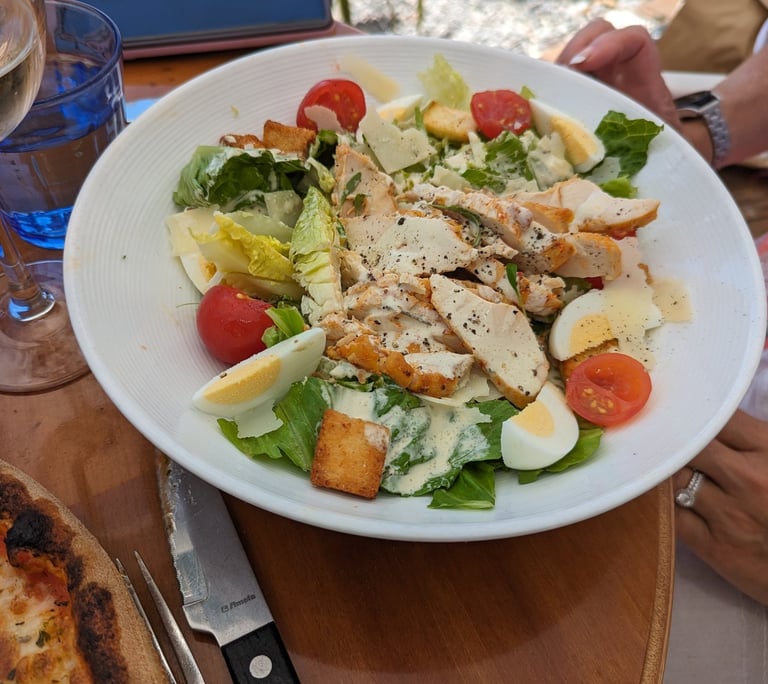
Serve alongside simple foods rather than elaborate meals (think simple charcuterie, spring vegetables, fresh seafood)
Bring in fresh flowers or candlelight (create a moment, it doesn't have to be elaborate or expensive, just something for you and the one(s) you love)
Enjoy outdoors whenever possible (al fresco dining with rosé is unmatched, truly)
What to Eat with French Rosé
Rosé is incredibly food-friendly because of its brightness and acidity.
Some classic Provençal pairings include:
goat cheese
olives
grilled vegetables
seafood
roast chicken
strawberries
fresh herbs
tomato tarts
crusty bread with salted butter
For a simple spring lunch, try:
chilled rosé
a baguette
soft cheese
radishes with butter and sea salt
fresh cherries or strawberries
It does not need to be extravagant to feel beautiful. Again, I'll say this a thousand times, but living a Provençal lifestyle doesn't have to be some Instagram fake or expensive thing. It's about taking what you have, making a few intentional tweaks to truly connect with those around you and enjoy what you have, even if it isn't some multimillion dollar villa in Provence.
Creating a Provençal Rosé Afternoon at Home
One of my favorite things about French culture is the way ordinary moments are elevated through intention and atmosphere.
You do not need a vineyard in Provence to recreate the feeling.
A simple afternoon can become something memorable with:
soft music
linen clothing
flowers from the market
a chilled bottle of rosé
a beautiful corkscrew
sunlight through open windows
Sometimes the art of living well is simply learning to slow down enough to enjoy what is already in front of us. I know, broken record. But truly, this is what has helped me so much with raising a young family and trying to connect with my loved ones. It's making memories meaningful with what I have. You only get one life, it's what you make it.
A Few Beautiful Rosé Accessories Worth Investing In
If you enjoy entertaining or creating seasonal rituals at home, a few timeless pieces make rosé season feel even more special.
Also go through what you already have. Sometimes just looking at the items you have with new inspiration can make them feel brand new.
Final Thoughts
French rosé is ultimately about more than wine.
It represents a slower, more beautiful approach to living — one rooted in conversation, simplicity, sunlight, and savoring the season.
And perhaps that is why it feels so timeless.
Even from home, we can borrow a little of Provence:
a chilled glass on the terrace,
fresh flowers on the table,
and a reminder that beauty is often found in the smallest rituals.